5-ALA
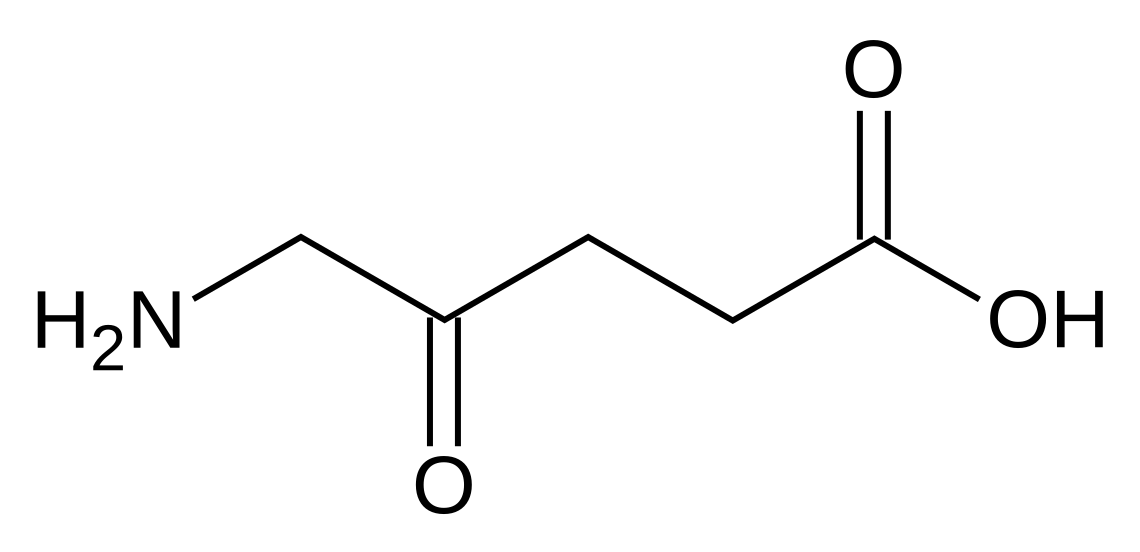
5-ALA is a naturally occurring amino acid that plays a central role in heme biosynthesis. In therapeutic settings it is widely used for photodynamic diagnosis and therapy, where it is converted into protoporphyrin IX, a photosensitizing compound that accumulates in target cells. This enables improved tumor visualization and selective cell destruction under light exposure. Potential side effects include photosensitivity, transient skin reactions, and mild gastrointestinal symptoms such as nausea. Only GMP materials will be supplied, logistics all according to GDP.
About MedicaPharma
MedicaPharma distributes high-quality active pharmaceutical ingredients (APIs) to hospitals, commercial (compounding) pharmacies, research institutes, and universities worldwide.
Network of over +400 GMP API producers
Let us handle your sourcing / supply activities. Highly experienced in sourcing specialty raw pharmaceutical ingredients from niche GMP manufacturers around the world.
Why Choose MedicaPharma
Niche API specialist - Pro-active supply partner - High service level - Global network - Logistics according to GDP regulations
Product Description
Mechanism of action
5-ALA (5-aminolevulinic acid) is a naturally occurring precursor in the heme biosynthesis pathway. When administered in high concentrations, it is converted intracellularly into protoporphyrin IX, a photosensitizing porphyrin that preferentially accumulates in rapidly proliferating or metabolically active cells. Upon illumination with light of an appropriate wavelength, protoporphyrin IX generates reactive oxygen species that damage cellular structures and induce selective cytotoxicity. This makes 5ALA a valuable prodrug for photodynamic diagnosis (PDD) and photodynamic therapy (PDT).
Benefits and advantages
5ALA allows highly targeted visualization and treatment of pathological tissue, especially in oncology and dermatology. It offers improved contrast between diseased and normal tissue, supports more precise tumour resection and can be used in minimally invasive procedures. Because 5ALA is a physiological intermediate that is rapidly metabolised, systemic exposure is generally limited and the compound can be integrated into a wide variety of diagnostic and therapeutic formulations.
Side effects and risks
The main risks are related to its photosensitising properties. Patients must be protected from intense light exposure for a defined period after administration to avoid phototoxic skin reactions. Other adverse events reported in clinical use include transient liver enzyme elevations, gastrointestinal discomfort, headache and rare hypersensitivity reactions. As with all active pharmaceutical ingredients, 5ALA should only be handled and formulated by qualified professionals under appropriate safety and regulatory standards.
Only GMP materials will be supplied, logistics all according to GDP.
Datasheet
| Molecular Formula | C5H9NO3 |
|---|---|
| Molecular Weight | 131.13 g/mol |
| CAS Number | 106-60-5 |
| Storage Condition | Store in a cool, dry place. Keep container tightly closed. Protect from moisture and light. |
| Solubility | Very soluble |
| Purity | Purity information is available upon request (COA). |
| Synonym | 5-Aminolevulinic acid; Aminolevulinic acid; 106-60-5; 5-Amino-4-oxopentanoic acid; 5-Aminolevulinate |
| IUPAC/Chemical Name | 5-amino-4-oxopentanoic acid |
| InChl Key | ZGXJTSGNIOSYLO-UHFFFAOYSA-N |
| InChl Code | InChI=1S/C5H9NO3/c6-3-4(7)1-2-5(8)9/h1-3,6H2,(H,8,9) |
| References |
3D Conformer.
(Click, turn or enlarge)
Download our GMP API Product List.
MedicaPharma is an EU-based supplier of GMP-certified APIs that serves leading healthcare institutions and research organizations.
Click here to download our full API product list.