GS-441524


Thousands of cats worldwide suffer from the debilitating condition known as feline infectious peritonitis (FIP). Historically, FIP has been fatal in almost all cases. However, in recent years, with the help of committed researchers, GS-441524, has demonstrated encouraging outcomes in treating FIP. Studies have shown a 92% success rate in treating the disease by administering GS-441524 according to a specific protocol. Only GMP materials will be supplied, logistics all according to GDP.
About MedicaPharma
MedicaPharma distributes high-quality active pharmaceutical ingredients (APIs) to hospitals, commercial (compounding) pharmacies, research institutes, and universities worldwide.
Network of over +400 GMP API producers
Let us handle your sourcing / supply activities. Highly experienced in sourcing specialty raw pharmaceutical ingredients from niche GMP manufacturers around the world.
Why Choose MedicaPharma
Niche API specialist - Pro-active supply partner - High service level - Global network - Logistics according to GDP regulations
Product Description
Since the 1960s, Niels C. Pedersen, who is currently an emeritus professor at the UC Davis School of Veterinary Medicine, has been researching FIP. He experimented with GS-441524, in 2018 and 2019 as a possible cure. The remarkable results of Pedersens work were recently covered by The Atlantic: In a field study, GS-441524 effectively treated naturally occurring FIP in 25 out of 31 catsan unheard-of recovery rate.
Mechanism of Action
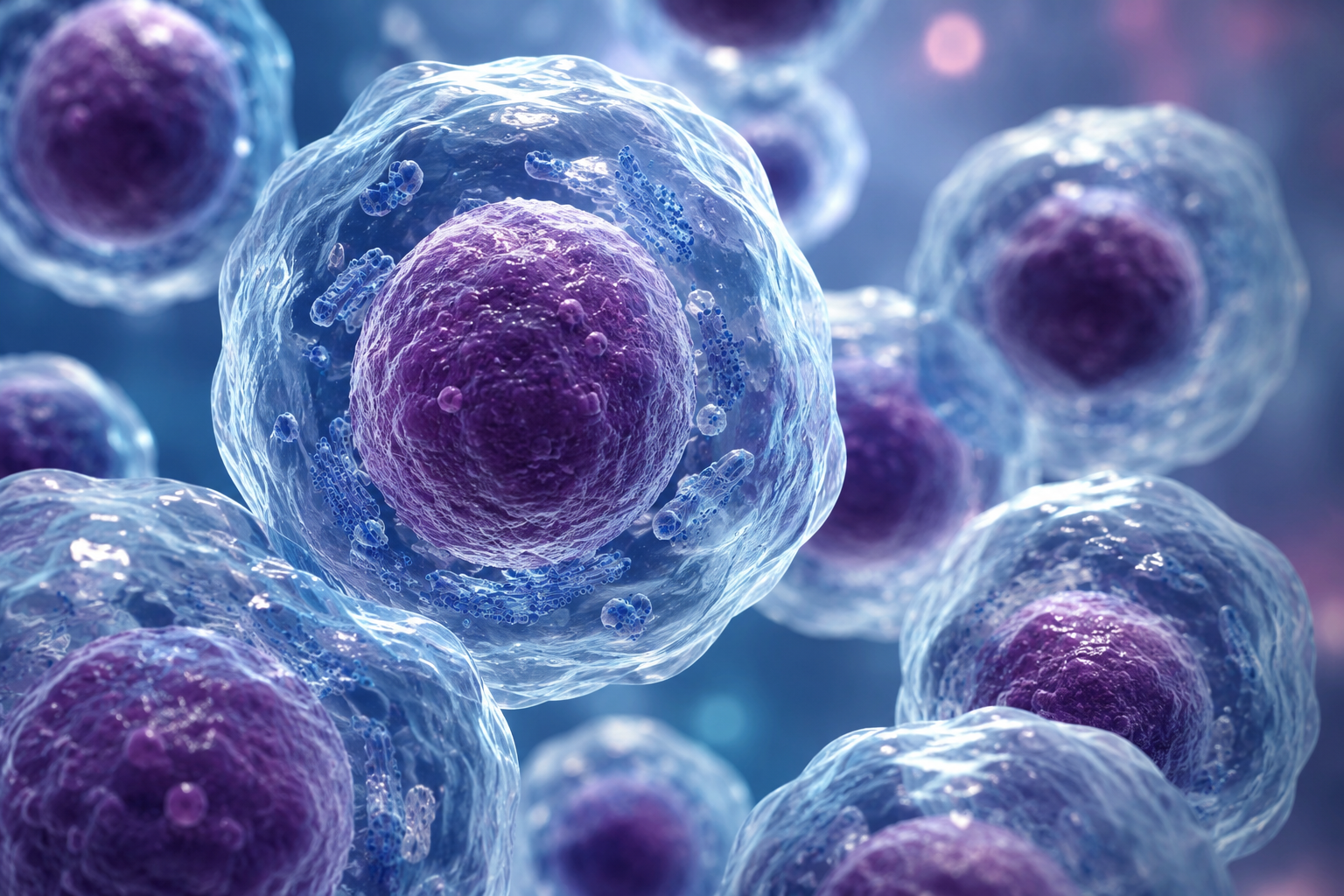
When GS-441524 is intracellularly triple-phosphorylated, its active analogue, 1-cyano-substituted adenosine triphosphate, is produced. This analogue competes with endogenous NTPs to be incorporated into nascent viral RNA transcripts and causes delayed chain termination of RNA-dependent RNA polymerase. This directly disrupts viral RNA replication.[4]
Benefits and Advantages
FIP had no known cure until recently, but GS-441524, an antiviral drug, is now available and works well to treat the illness. Numerous nations offer GS-441524, which has been shown to be both safe and effective. The current guidelines suggest treating cats for 12 weeks in order to fully remove the illness and maximise their chances of recovery. As therapies progress, shorter courses might be suggested in the future. Antiviral medicine dosages vary depending on the kind of FIP; cats with neurological and/or ocular FIP are typically prescribed greater dosages. GS-441524 has remarkably few systemic side effects.
Side Effects and Risks
Its crucial to remember that different cats react differentl, and that results can differ from person to person. It is essential to conduct ongoing assessments of the cats condition, close observation, and routine veterinarian check-ups in order to determine the efficacy and make any required modifications. The typical course lasts 12 weeks, although some catstypically younger ones with wet FIPcan be healed in as short as 8 weeks, if not sooner. Its possible that certain cats will even need lengthier times and dose modifications. In cats destined for cures, critical blood parameters including haematocrit, total protein, albumin and globulin levels, and absolute lymphocyte counts typically return to normal around 810 weeks, at which point there is frequently an unexpected rise in activity levels. The cats own immunity to the illness is thought to develop between 8 and 10 weeks in, though this is not confirmed. Pain at the injection sites is the main side effect of GS, and it varies from cat to cat and depending on how skilled the person administering the with injections (typically the owner). Some owners have injection site sores, which mainly happen when the injection site is not moved about the body (avoid the area between the shoulders) or administered into the layers of muscle and nerve beneath the subcutis. I advise choosing locations that are one inch below the shoulder blades, one third to half of the way down the chest and abdomen, and down the back to 1-2 inches before the tailhead. Before receiving an injection, gabapentin is frequently used to reduce pain. In certain cats, it may result in mild kidney damage; however, overt renal illness does not develop from this. Our GS-441524 is produced in a GMP facility. Several veterinary institutes in Europe use our raw materials with excellent results. References are available upon request. Only GMP materials will be supplied, logistics all according to GDP.
Datasheet
| Molecular Formula | C12H13N5O4 |
|---|---|
| Molecular Weight | 291.27 |
| CAS Numbers | 1191237-69-0 |
| Storage Condition | 0°C (short term), -20°C (long term), desiccated |
| Solubility | DMSO |
| Purity | 98% by HPLC |
| Synonym | GS-441524; GS 441524; GS441524; Remdesivir-metabolite, GS-5734-metabolite; GS5734-metabolite; GS 5734-metabolite |
| IUPAC/Chemical Name | (2R,3R,4S,5R)-2-(4-aminopyrrolo[2,1-f][1,2,4]triazin-7-yl)-3,4-dihydroxy-5-(hydroxymethyl)tetrahydrofuran-2-carbonitrile |
| InChl Key | BRDWIEOJOWJCLU-LTGWCKQJSA-N |
| InChl Code | InChI=1S/C12H13N5O4/c13-4-12(10(20)9(19)7(3-18)21-12)8-2-1-6-11(14)15-5-16-17(6)8/h1-2,5,7,9-10,18-20H,3H2,(H2,14,15,16)/t7-,9-,10-,12+/m1/s1 |
| SMILES Code | N#C[C@@]1(C2=CC=C3C(N)=NC=NN32)O[C@H](CO)[C@@H](O)[C@H]1O |
| References | 1) Pedersen NC, Perron M, Bannasch M, Montgomery E, Murakami E, Liepnieks M, Liu H. Efficacy and safety of the nucleoside analog GS-441524 for treatment of cats with naturally occurring feline infectious peritonitis. J Feline Med Surg. 2019 Apr;21(4):271-281. 2) Murphy BG, Perron M, Murakami E, Bauer K, Park Y, Eckstrand C, Liepnieks M, Pedersen NC. The nucleoside analog GS-441524 strongly inhibits feline infectious peritonitis (FIP) virus in tissue culture and experimental cat infection studies. Vet Microbiol. 2018 Jun;219:226-233. |
Download our GMP API Product List.
MedicaPharma is an EU-based supplier of GMP-certified APIs that serves leading healthcare institutions and research organizations.
Click here to download our full API product list.