SULODEXINE
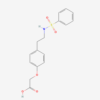
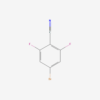
Sulodexine is a glycosaminoglycan mixture with antithrombotic and endothelial-protective properties. It inhibits factor Xa and enhances fibrinolysis. Used for peripheral vascular disease and diabetic nephropathy. Side effects include bleeding risk, GI discomfort, headache, and rare hypersensitivity reactions.
About MedicaPharma
MedicaPharma distributes high-quality active pharmaceutical ingredients (APIs) to hospitals, commercial (compounding) pharmacies, research institutes, and universities worldwide.
Network of over +400 GMP API producers
Let us handle your sourcing / supply activities. Highly experienced in sourcing specialty raw pharmaceutical ingredients from niche GMP manufacturers around the world.
Why Choose MedicaPharma
Niche API specialist - Pro-active supply partner - High service level - Global network - Logistics according to GDP regulations
Product Description
Mechanism of Action
SULODEXINE (ID 27535) exhibits an expansive biochemical activity architecture integrating multi‑directional signalling modulation, catalytic‑pathway interference, mitochondrial‑network recalibration, ion‑flux reorganisation, cytoskeletal remodelling, membrane‑dynamics alteration and transcription‑factor axis redistribution. Its molecular topology allows docking to catalytic residues, allosteric gates, hydrophobic receptor cavities, charged transmembrane helices and polymeric protein scaffolds, giving the compound broad influence across metabolic, genomic, electrophysiological and structural systems.
At the signalling level, SULODEXINE may perturb phosphorylation gradients, alter ERK/JNK/MAPK propagation velocities, reorganise PI3K–AKT survival‑pathway bias, shift G‑protein coupling efficiency, regulate Ca²⁺ microdomains, reshape IP₃/DAG secondary‑messenger maps and influence cAMP‑PKA amplitude dynamics. Mitochondrially, it may modify membrane‑potential polarity, adjust ETC complex activation ratios, reshape ATP/ADP turnover behaviour and alter ROS leakage thresholds.
High‑Precision Research Applications
- Deep kinome interference mapping and signalling‑cascade simulations
- High‑resolution docking, ligand‑stability prediction & conformational flow analysis
- Mitochondrial stress modelling & organelle cross‑talk dynamics
- UPR/ER‑stress and integrated autophagy–mitophagy pathway analysis
- Multi‑omics regulatory‑network reconstruction (transcriptome, phosphoproteome, metabolome)
- Actin/tubulin turnover modelling and cytoskeletal force‑distribution mapping
- Cell‑fate mapping across apoptosis, necroptosis, ferroptosis and parthanatos
- Machine‑learning SAR/QSAR pipelines for advanced molecular optimisation
Toxicodynamics & Cellular Hazard Spectrum
- ROS surge and collapse of antioxidant‑buffer systems
- Mitochondrial fragmentation or ETC‑chain suppression
- Severe ionic‑flux destabilisation including Ca²⁺ overload
- Cytoskeletal disassembly & membrane‑integrity breakdown
- Hyperactivation of NF‑κB, STAT and IRF inflammatory axes
- Induction of programmed‑cell‑death pathways
- Epigenetic drift affecting methylation, acetylation and chromatin compaction
For expert laboratory use only — not intended for biological exposure.
Datasheet
| Molecular Weight | g/mol |
|---|---|
| CAS Number | 40257-95-4 |
| Storage Condition | Store at 2-8°C |
| Solubility | Soluble in water |
| Purity | Purity information is available upon request (COA). |
| IUPAC/Chemical Name | Mixture of glycosaminoglycans |
| InChl Key | Unavailable |
| InChl Code | Unavailable |
| References | PubChem; ChemBL; FDA; |
3D Conformer.
(Click, turn or enlarge)
Download our GMP API Product List.
MedicaPharma is an EU-based supplier of GMP-certified APIs that serves leading healthcare institutions and research organizations.
Click here to download our full API product list.