BISMUTH SALTS

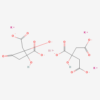
Bismuth Salts is a research-grade compound used in advanced pharmaceutical and biochemical studies. Chemical & Pharmacological Characteristics Bismuth compounds are typically low-solubility heavy-metal salts whose behavior is governed by particle chemistry, hydrolysis, and complexation with anions in the surrounding medium. Apparent solubility and bioavailability depend strongly on pH, chelators, and counterion identity. In formulation systems, bismuth species can adsorb to surfaces and interact with proteins and polysaccharides, affecting recovery and assay readouts. It is primarily applied to investigate compound-specific mechanisms, physicochemical behavior, and analytical or
About MedicaPharma
MedicaPharma distributes high-quality active pharmaceutical ingredients (APIs) to hospitals, commercial (compounding) pharmacies, research institutes, and universities worldwide.
Network of over +400 GMP API producers
Let us handle your sourcing / supply activities. Highly experienced in sourcing specialty raw pharmaceutical ingredients from niche GMP manufacturers around the world.
Why Choose MedicaPharma
Niche API specialist - Pro-active supply partner - High service level - Global network - Logistics according to GDP regulations
Product Description
Chemical & Pharmacological Characteristics
Bismuth compounds are typically low-solubility heavy-metal salts whose behavior is governed by particle chemistry, hydrolysis, and complexation with anions in the surrounding medium. Apparent solubility and bioavailability depend strongly on pH, chelators, and counterion identity. In formulation systems, bismuth species can adsorb to surfaces and interact with proteins and polysaccharides, affecting recovery and assay readouts.
Mechanism of Action
No single receptor-mediated mechanism applies. When biological effects are evaluated, they generally reflect local physicochemical interactions such as protein binding, barrier coating, and sequestration of reactive species or microbial toxins in the exposed compartment.
In antimicrobial or anti-inflammatory models, bismuth ions may interfere with microbial enzymes and membrane integrity through nonspecific metal binding and redox-inactive coordination chemistry. Experimental interpretation requires controlling for pH, particulate load, and complexing agents that can shift free bismuth availability.
Advanced Research Applications
- Analytical method development for bismuth quantification and speciation
- Counterion and salt-form screening to map solubility and stability behavior
- Formulation compatibility testing (suspensions, gels, and coating systems)
- Microbial and biofilm studies using bismuth as a metal-binding comparator
- Toxicology benchmarking for low-solubility heavy-metal particulates
Toxicodynamics & Cellular Hazard Spectrum
- Heavy-metal handling considerations; avoid ingestion and aerosolized dust exposure
- Nonspecific cytotoxicity at high concentrations in cell assays (particulate stress)
- Assay interference via adsorption to plastics and proteins; validate recovery
- pH-dependent release can change apparent potency and hazard; document conditions
- Dispose according to local regulations for heavy-metal containing waste
For expert laboratory research only – not intended for biological or therapeutic exposure.
Datasheet
| Molecular Formula | BiClHO |
|---|---|
| Molecular Weight | 261.44 g/mol |
| CAS Number | 7787-59-9 |
| Storage Condition | Store in a cool, dry place. Keep container tightly closed. Protect from moisture and light. |
| Solubility | Solubility depends on solvent and conditions (e.g., pH). Please contact us for solvent-specific guidance. |
| Purity | Purity information is available upon request (COA). |
| Synonym | BISMUTHOXYCHLORIDE; Bismuth(III) chloride oxide; MFCD00010895; Bismut-chlorid-oxid; Wismut(III)-chlorid-oxid |
| InChl Key | BWOROQSFKKODDR-UHFFFAOYSA-N |
| InChl Code | InChI=1S/Bi.ClH.O/h;1H; |
| References | https://pubchem.ncbi.nlm.nih.gov/compound/6328152; small-molecule |
3D Conformer.
(Click, turn or enlarge)
Download our GMP API Product List.
MedicaPharma is an EU-based supplier of GMP-certified APIs that serves leading healthcare institutions and research organizations.
Click here to download our full API product list.