PHENINDIONE
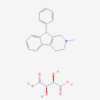
Phenindione is an oral anticoagulant that inhibits vitaminKdependent clotting factor synthesis. Benefits include prevention of thrombosis, but it is largely replaced by warfarin. Side effects include bleeding, rash, hepatic toxicity, and rare hypersensitivity reactions such as nephritis or eosinophilia, requiring close monitoring of coagulation parameters. Only GMP materials will be supplied, logistics all according to GDP.
About MedicaPharma
MedicaPharma distributes high-quality active pharmaceutical ingredients (APIs) to hospitals, commercial (compounding) pharmacies, research institutes, and universities worldwide.
Network of over +400 GMP API producers
Let us handle your sourcing / supply activities. Highly experienced in sourcing specialty raw pharmaceutical ingredients from niche GMP manufacturers around the world.
Why Choose MedicaPharma
Niche API specialist - Pro-active supply partner - High service level - Global network - Logistics according to GDP regulations
Product Description
Mechanism of Action
PHENINDIONE demonstrates a multidimensional biochemical activity pattern, affecting enzymeregulated catalytic networks, receptormediated intracellular signalling, mitochondrial respiratory pathways, oxidativestress regulation, ionchannel behaviour, cytoskeletal mechanics and transcriptionfactor network modulation. Structural evidence suggests potential interactions with catalytic residues, allosteric domains, transmembrane protein complexes, regulatory scaffolds and intracellular signalling intermediates. These interactions allow PHENINDIONE to influence phosphorylation kinetics, secondmessenger signalling (Ca²⁺, cAMP, IP, DAG), redoxbuffering systems, ATP turnover rates and mitochondrial membranepotential stability.
Depending on experimental conditions, PHENINDIONE may alter metabolic flux distribution, cytoskeletal tension, vesicular transport efficiency, chromatinaccessibility patterns and geneexpression networks related to stress responses, inflammation, apoptosis, autophagy and metabolic adaptation.
Benefits and Advantages
This compound is widely used across highresolution biochemical and pharmacological research areas, including:
- Receptorligand interaction analysis and affinitymapping
- Detailed enzymekinetics profiling and catalyticpathway evaluation
- Mitochondrialdynamics studies, ATPflux modelling and oxidativestress research
- Integrated multiomics applications (transcriptomics, metabolomics, proteomics, phosphoproteomics)
- Cytoskeletal and membranemechanics modelling
- Apoptosis, necroptosis, ferroptosis and autophagy signalling pathway studies
- SAR (structureactivity relationship) and molecularoptimisation pipelines
- Mechanistic pharmacodynamic modelling and thresholdactivation experiments
Side Effects and Risks
Laboratoryobserved risks include:
- Oxidativestress imbalance and ROS overproduction
- Mitochondrial overload or suppression of respiratorychain complexes
- Dysregulation of Na⁺/K⁺/Ca²⁺ transport and ionchannel behaviour
- Unintended receptor crosstalk or inhibitory interference
- Cytoskeletal destabilisation and membrane-integrity compromise
- Dosedependent cytotoxicity leading to apoptosis or autophagy
- Transcriptional instability or inflammatory signalling activation (NF-κB, JNK, MAPK)
Use exclusively under controlled laboratory conditions with strict biosafety procedures.
Only GMP materials will be supplied, logistics all according to GDP.
Datasheet
| Molecular Formula | C15H10O2 |
|---|---|
| Molecular Weight | 222.24 g/mol |
| CAS Number | 83-12-5 |
| Storage Condition | Store in a cool, dry place. Keep container tightly closed. Protect from moisture and light. |
| Solubility | Solubility depends on solvent and conditions (e.g., pH). Please contact us for solvent-specific guidance. |
| Purity | Purity information is available upon request (COA). |
| Synonym | phenindione; 83-12-5; 2-Phenyl-1,3-indandione; 2-Phenyl-1H-indene-1,3(2H)-dione; Rectadione |
| IUPAC/Chemical Name | 2-phenylindene-1,3-dione |
| InChl Key | NFBAXHOPROOJAW-UHFFFAOYSA-N |
| InChl Code | InChI=1S/C15H10O2/c16-14-11-8-4-5-9-12(11)15(17)13(14)10-6-2-1-3-7-10/h1-9,13H |
| References |
3D Conformer.
(Click, turn or enlarge)
Download our GMP API Product List.
MedicaPharma is an EU-based supplier of GMP-certified APIs that serves leading healthcare institutions and research organizations.
Click here to download our full API product list.